

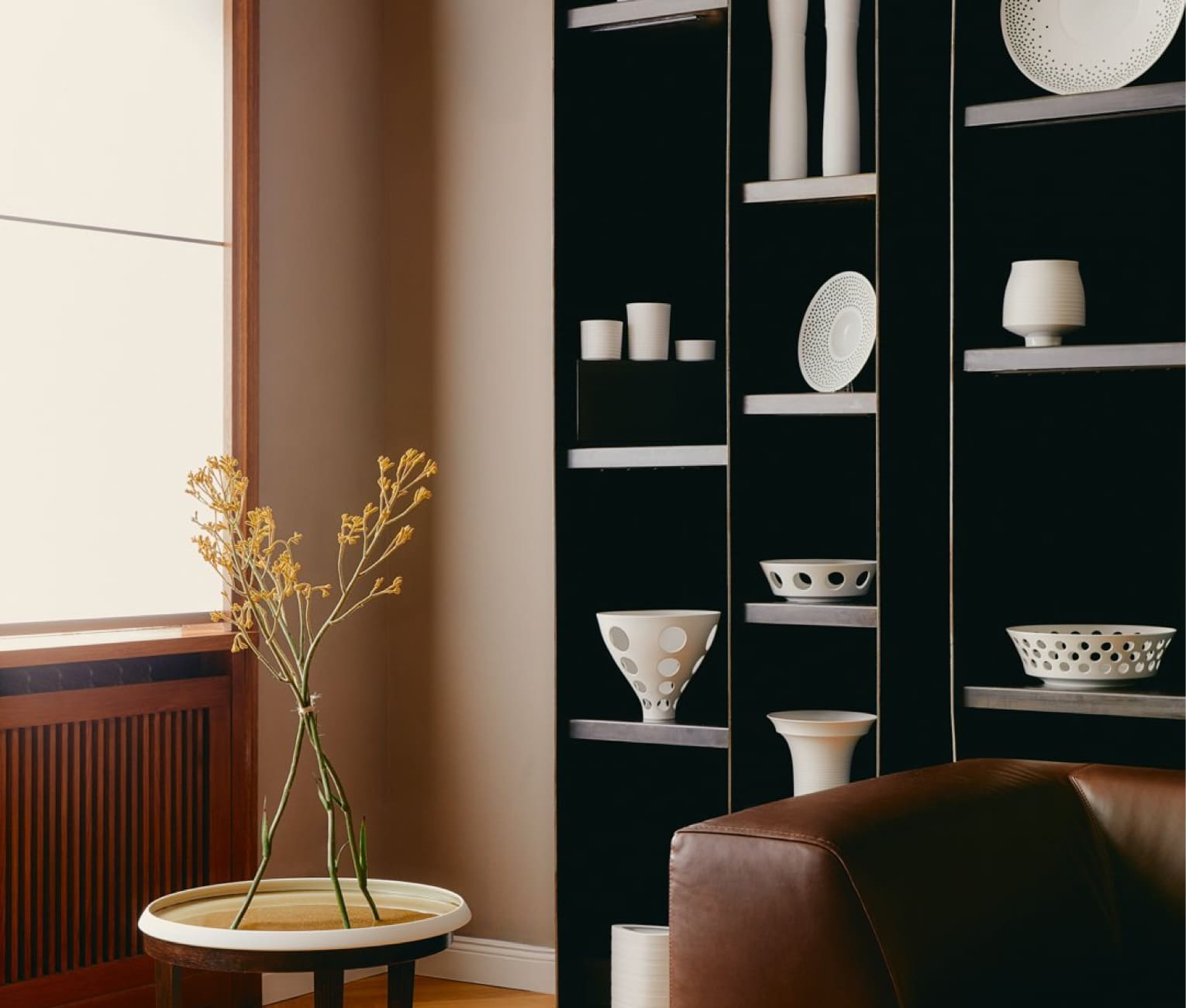
AVIAIR: Stefanie, your roots are in porcelain, in table culture – and suddenly we're talking about lighting. Was that a big leap?
Stefanie Hering: For me it wasn't a leap at all. I have worked with porcelain – I worked with the table for so long – with the ritual, with the moment when people come together – you eventually realise what matters is not only what lies on a plate. It's how a space receives you. Light is the greatest lever for that.
"Lever" sounds almost sober.
Tea – and yet it is deeply emotional. Light recalibrates your pace. It changes how you speak, how you eat, how long you stay. When the light is right, an evening becomes a place.
And when it isn't?
Then everything becomes flat. People, food, conversations. I cannot bear harsh train station lighting, for example. It makes spaces uninhabitable, even when they are beautifully furnished.
You sound emotional – and at the same time extremely precise. How do you approach a lighting piece?
I often see a piece very quickly. That's it. That inner "yes." But then the work begins.
»When the light is right, an evening becomes a place.«
You came to lighting through porcelain – and yet material still plays the leading role in your work.
Absolutely. Material does not lie. It shows you whether you have understood it. And glass is unforgiving in that regard: you immediately see whether something turns cloudy, whether it's too fragile, whether it becomes irritating in use.
You mentioned a very concrete point earlier: some parts are designed directly from the fitting and put in the dishwasher while others are more complex, open at both ends.
Exactly. And that's the truth: you can design the most beautiful form in the world – but if it fails in everyday life, it remains merely an object for display. I want objects to live with.
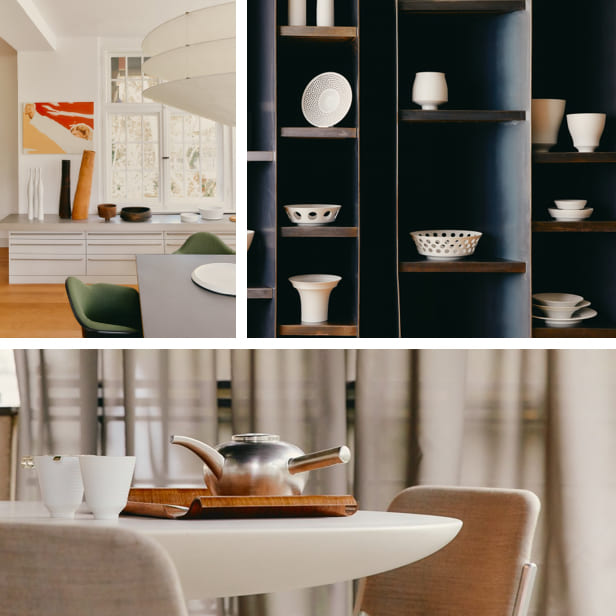
And then there's the question of light in the South – you worked there for a long time.
There was a lot of cold neon light in Portugal – later cold LEDs. The further south you go, the bluer the light tends to become. I find that problematic, because it alters skin, food, wood, fabrics. Once you experience how "tempered" light makes a space truly liveable, you never want to go back.
Listening to you, it becomes clear: this isn't decoration. It's almost a cultural technique.
Yes. Lighting is something towards people. And yes – it is luxury, but not in the sense of "expensive." Rather in the sense of something conscious and considered.
Your work is represented in museums – Sèvres, major collections. Those are milestones.
To have your work acquired by a museum is something extraordinary. One of my early large luminaires was acquired by the museum in Sèvres. That's one of those moments when you realise this will remain.
And you have a dream that goes beyond a product launch.
I was in Taipei in this extraordinary collection – a complete treasury of Chinese art. It brings tears to your eyes when you see what was already possible a thousand years ago. And I would love, one day, to present a dialogue between that historical excellence and what we do today, when work is done at a deeper level.
You speak a lot about people. About encounters. About recommendations.
Because everything grows from that. But it can't be calculated. People immediately sense whether you see them as a supplier. I love genuine connection – it's something entirely different from what people call "networking."
One last direct question: what should a Hering light evoke when someone comes home and turns it on?
That you slow down. That you don't just function but arrive. And that you feel: we're here. We're staying. And this is exactly where we're meant to be.

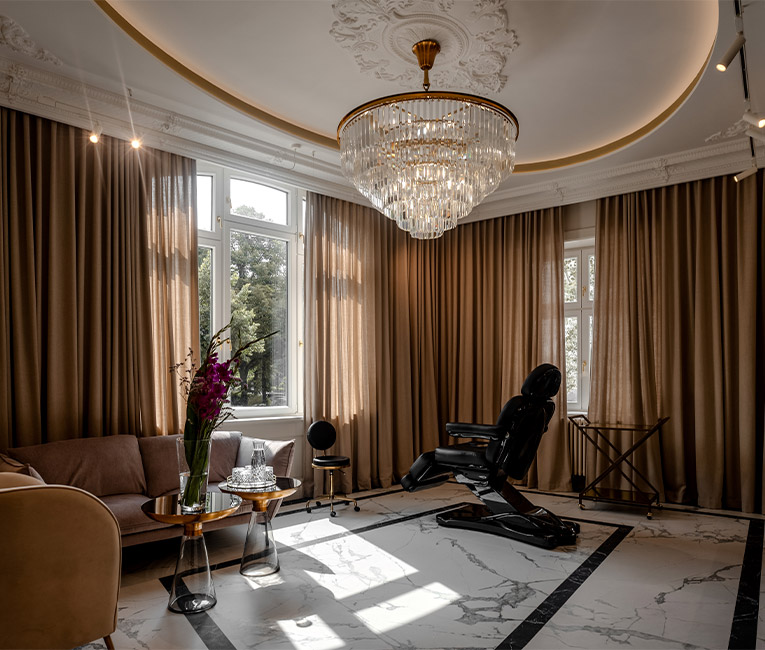
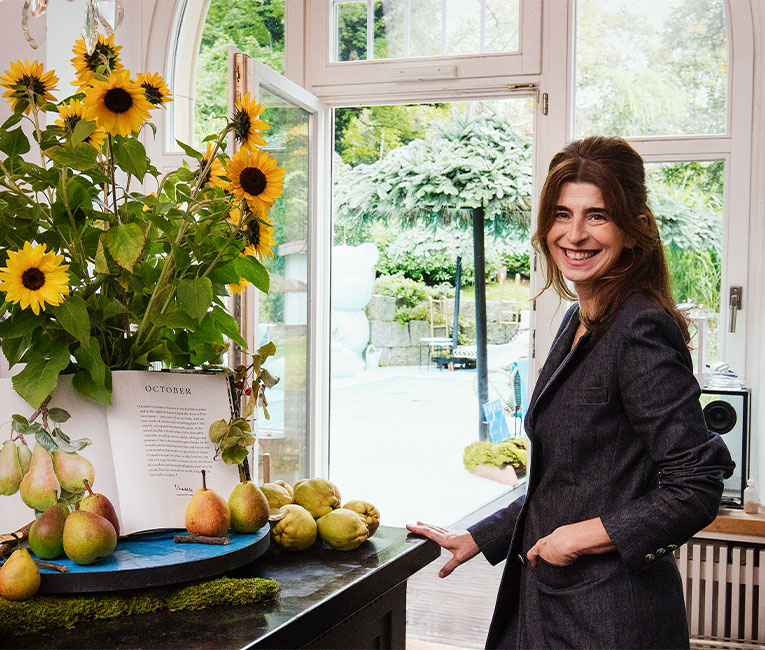


That's a strong ending.
Then the light has done its job.
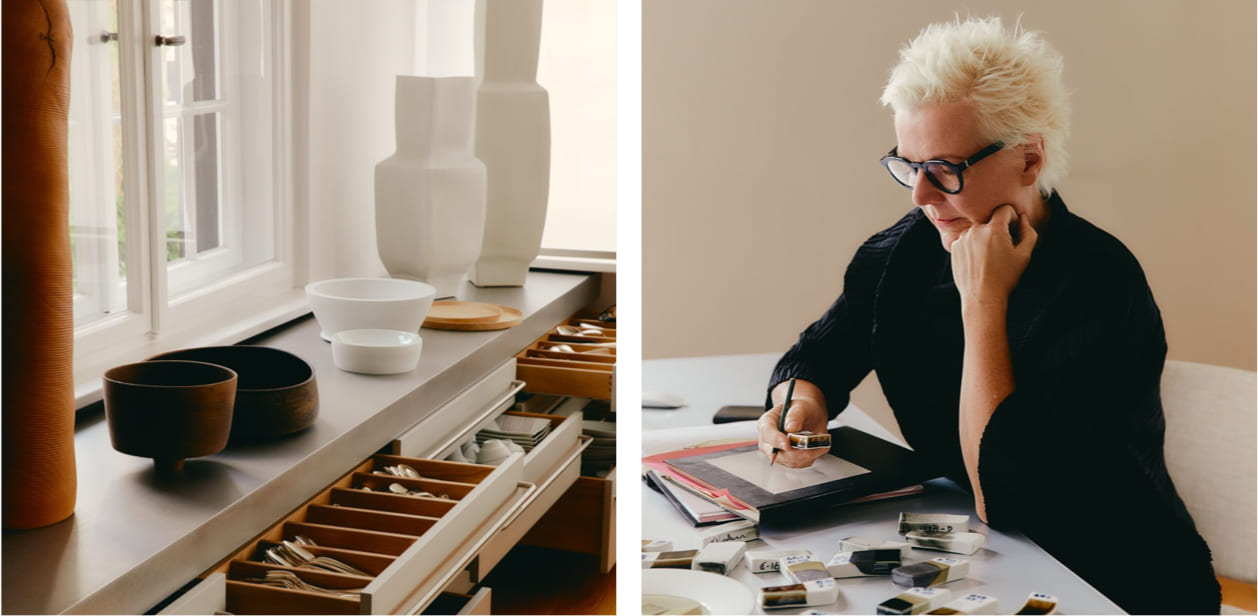
Lighting can transform spaces. Stefanie Hering goes further – she transforms the way we behave within them: subtle in effect, uncompromising in execution.
Especially with long elements, you have to readjust angles. The balance has to be right, everything must hang in alignment. If that isn't perfect, the light loses its calmness.
You have a reputation for being very critical.
I cannot leave things at "okay." Either it is coherent – or it isn't. And sometimes you have to let a piece rest. Not because they are bad. But because they are not quite there yet.
I remember something you once said: "I didn't throw away the tools – I changed them."
Yes. For me, development doesn't mean an end result or "made." It's about the path you meant to become. When you recognise yourself in the object – then you know you're on the right path.
At home you follow a kind of lighting choreography – dimming in the afternoon, leaving only layers, introducing the next layer in the evening?
Exactly. You go downstairs at midday, switch on just that base tone. And when you come home in the evening, it's already there. You don't have to "create mood." You step into it.


