
MONTBLANC, WES ANDERSON, AND THE RETURN OF WRITING
Its foundation lies in the legendary “Baby” fountain pens of the 1910s and 1920s – tiny masterpieces that made writing mobile and now appear almost futuristic again. Anderson pulls this idea into the present: bold, confident colors, platinum-toned elements, and a coral-red cap top that reads like a cinematic cue.
The Schreiberling shows just how far Montblanc’s DNA reaches – from archival pieces to objects that speak to a new generation. The Maison preserves its roots without resting on them; instead, it opens them up – to design, to film, to pop culture. It is precisely from this interplay that a visual language emerges, one you recognize instantly.
Because writing – whether in a notebook, a screenplay, or an idea – remains an intentional act. Anderson’s edition reminds us that precision can have a sense of play. That clarity need not be cold. And that a fountain pen can be a cultural object, even when it disappears in the palm of a hand.
The Schreiberling 1969 is small, compact, direct – and anything but insignificant. It serves as a reminder that ideas require space, not speed. And that good writing always begins where form and character meet.
In doing so, Montblanc threads itself back into its own history – a history in which design never had to be loud to make an impact, and in which every object carries a signature that doesn’t demand attention, but endures.



A COLLABORATION THAT ACTUALLY BEGAN EARLIER
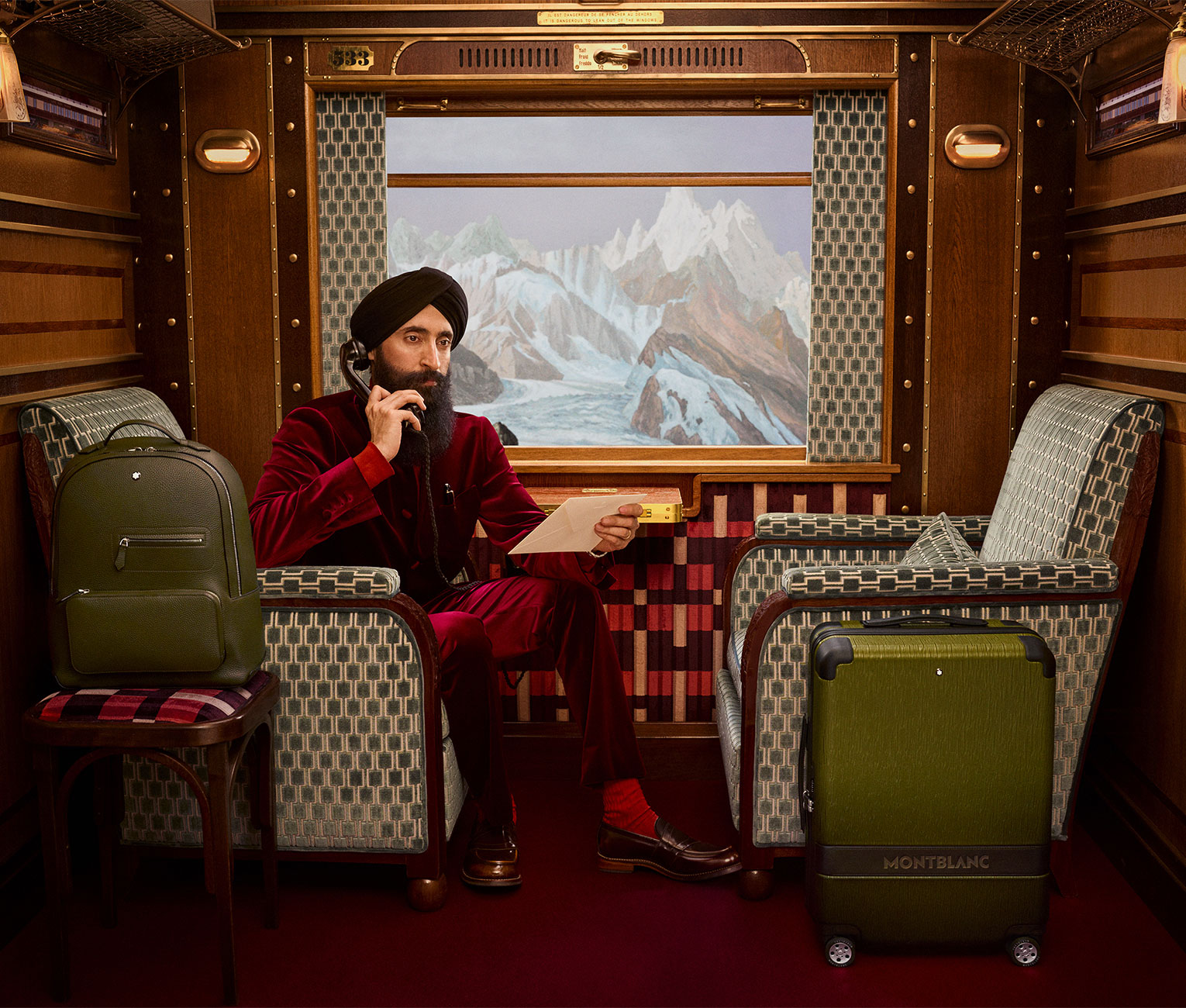
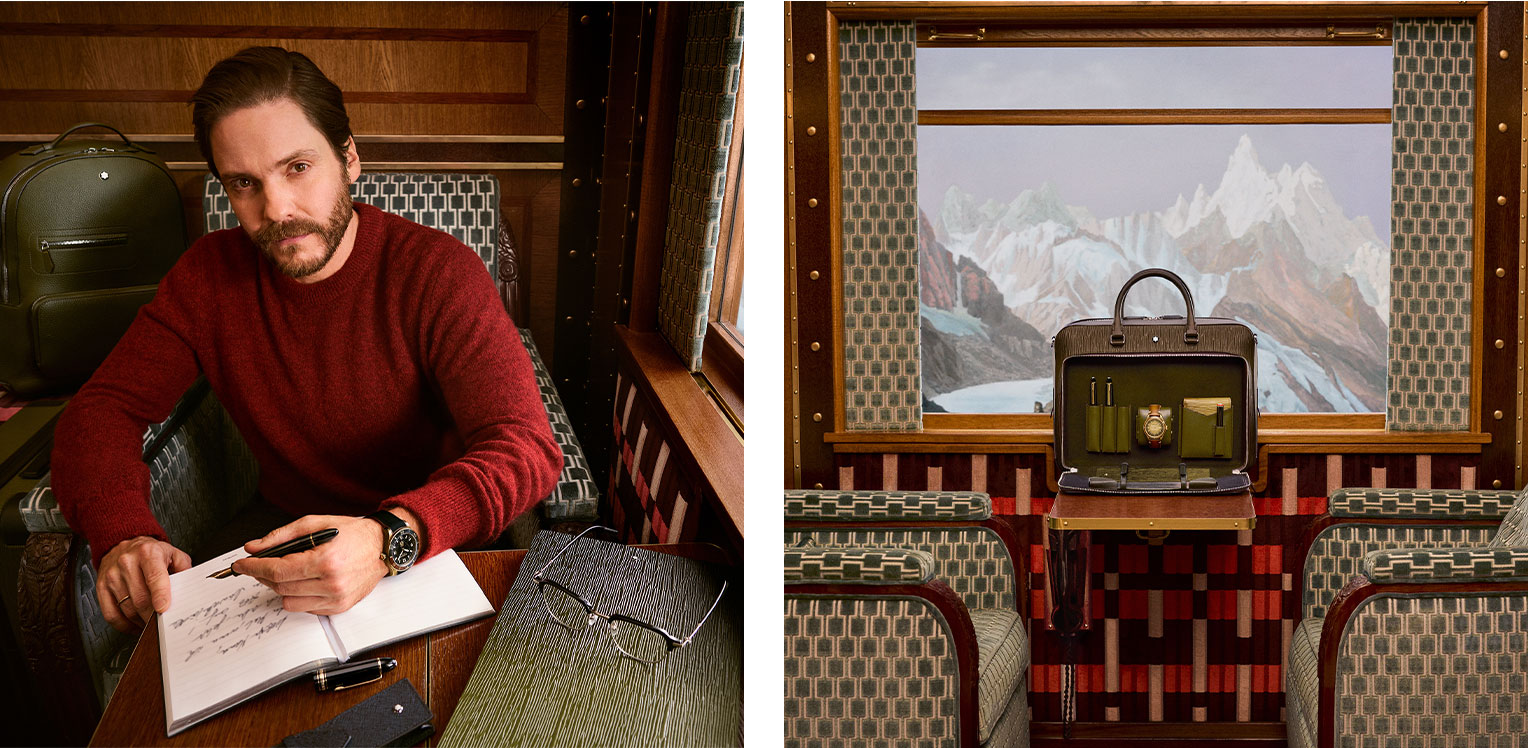
The connection between Montblanc and Wes Anderson did not start with the Schreiberling edition. For the short film “100 Years Meisterstück,” Anderson created an entirely designed Montblanc-inspired world: archive rooms, color palettes, characters – everything meticulously detailed, everything unmistakably Anderson. The “Schreiberling” first appeared there as a fictional reference. The Limited Edition now brings that idea into reality.