
THE DUTCH LEGACY ON AMERICAN SOIL
In the early 17th century, the Netherlands was at the height of its power. Amsterdam was Europe’s economic hub, thriving on trade, scientific advancement, and an un- paralleled art scene. It was a city of colors – not just in paintings, but in the textiles, spices, and goods that arrived from around the world. This entrepreneurial spirit drove Dutch merchants to seek new markets. In 1609, the English explorer Henry Hudson, sailing under the Dutch East India Company, ventured into unknown waters. That same year, he reached the shores of what is now New York. The region he explored offered a strategically valuable harbor and an extensive river system, ideal for trade. The area was also rich in natural resources, including prized furs. Manhattan’s geography – its natural defenses, hilly terrain, and deep harbor – made it the perfect base for colonization and expansion in the region.
By 1624, the Dutch had established their first permanent settlement in the area, followed by the founding of Nieuw Amsterdam at the southern tip of Manhattan in 1625. The colony quickly became a hub for international trade, with Dutch merchants exchanging furs, tobacco, and other goods. But it was not just a commercial outpost – it was a remarkably diverse settlement from the very beginning. Alongside the Dutch, people from other Eu-ropean nations, as well as settlers and traders from Africa and the Middle East, made Nieuw Amsterdam their home. This early diversity shaped the colony into a truly unique place in the New World.
In 1664, the English took control of the colony, renaming it New York after the Duke of York.
Though Dutch rule lasted less than 40 years, its influence left an indelible mark on the city. Even today, the Dutch presence is felt in New York’s urban fabric. The winding, irregular streets of Lower Manhattan reflect Dutch city planning – a stark contrast to the strict grid system that was introduced later. Many neighborhoods still bear their Dutch names: Harlem (from Haarlem), Brooklyn (from Breukelen), Bowery (from Bouwerij, the Dutch word for "farm"), and Coney Is- land (originally Konijneneiland, meaning "rabbit island").
Traces of Dutch colonial architecture also remain, particularly in some sandstone buildings. Dutch influence is evident in New York’s infrastructure as well, such as the city’s first pier, built by Dutch merchants in the harbor district. Even Wall Street has Dutch origins – the New York Stock Exchange can trace its roots back to the Amsterdam stock exchange, founded in 1611.
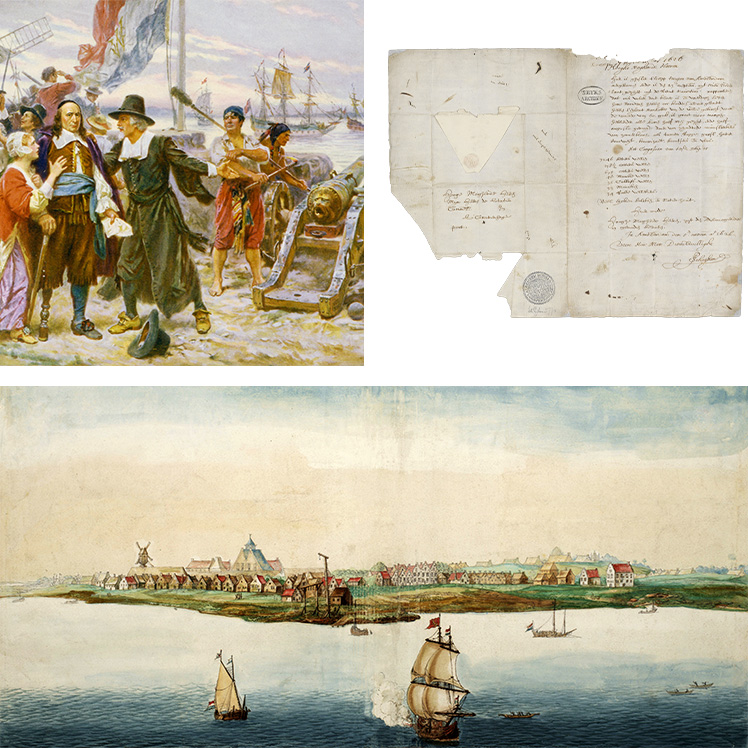
But the Dutch legacy in New York is more than just geographical. The Dutch colony was known for its religious tolerance, a principle that became deeply embedded in the city’s DNA. Early on, Nieuw Amsterdam welcomed a range of faiths, helping to establish New York as a beacon for immigrants from around the world.
A TALE OF TWO CITIES
Today, Amsterdam and New York couldn’t be more different. Amsterdam is known for its relaxed atmosphere, scenic canals, and bike-friendly streets, while New York is synonymous with speed, ambition, and relentless economic growth. Yet despite their differences, the two cities remain deeply connected by history.
Amsterdam remains New York’s European sister city – the place that laid the foundation for what would become one of the world’s greatest metropolises. Economically, the bond between the two cities endures. The Netherlands is one of the U.S.’s most significant trading partners, and many Dutch companies have a presence in New York. At the same time, American artists and creatives continue to be drawn to Amsterdam, a city known for its thriving art and design scene.
Nieuw Amsterdam may have disappeared from the history books, but its legacy is alive in New York. Its influence is not just found in street names, but in the very spirit of the city – pragmatic, entrepreneurial, and open to the world.




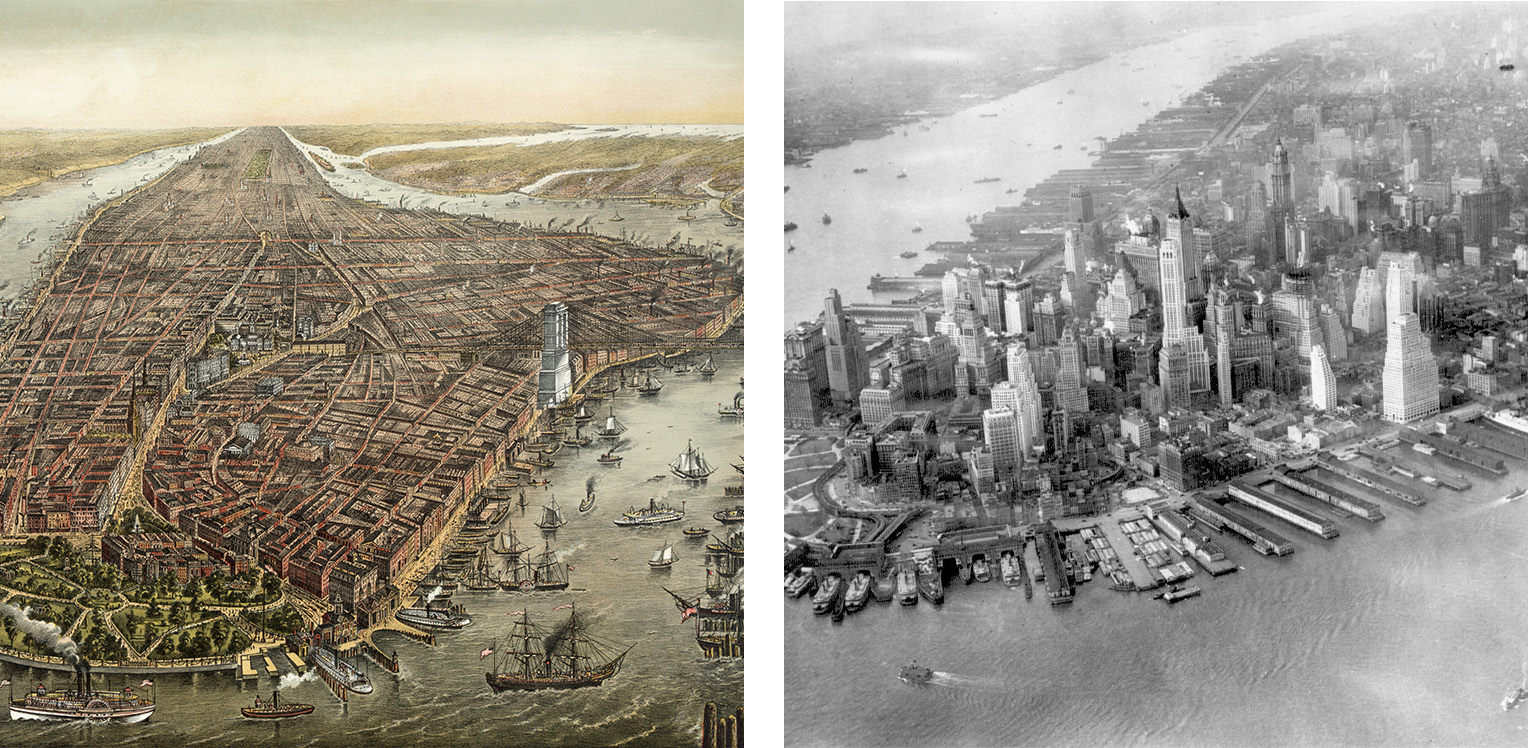
Walking through Manhattan today, it’s hard to imagine that this global metropolis once began as a modest Dutch trading post. And yet, that origin is precisely what gave New York its unique identity – a city that never stands still, constantly reinvents itself, and remains deeply rooted in its history.
New York is one of the most influential cities in the world – an economic powerhouse, a cultural capital, and a beacon for millions of immigrants.
But the spirit of its Dutch founders, who built a new home with openness and a keen sense for trade, still lives on in the modern city.
The principles that defined Nieuw Amsterdam – diversity, tolerance, and economic dynamism – are now integral to New York’s identity.
The Big Apple is not just the symbol of the American Dream – it is also the legacy of a small Dutch colony that laid the foundation for a world city.