

A CONVERSATION WITH: THREE-MICHELIN-STAR CHEF HEINZ BECK
Thanks to the hotel’s invitation, AVIAIR had the privilege not only to experience the extraordinary cuisine of La Pergola but also to stay in this luxurious setting and meet Heinz Beck personally to discuss his philosophy, work, and vision.
Heinz Beck, one of the world’s most renowned chefs, has created a unique connection between Mediterranean lightness and scientific precision with his unmistakable style. Yet, behind his culinary masterpieces lies a fascinating individual who sets new standards not only as a chef but also as an artist and researcher.
In this conversation with AVIAIR, Beck talks about the responsibility he feels toward his guests, the inspiration he finds everywhere, and why, despite his relentless pursuit of perfection, he refuses to give up the tradition of Christmas goose with red cabbage. It’s a personal insight into the world of a man whose passion for cooking extends far beyond the plate.
AVIAIR: Mr. Beck, you originally wanted to become a painter. A fascinating thought, considering that you are now one of the world’s most celebrated chefs. How did this change happen?
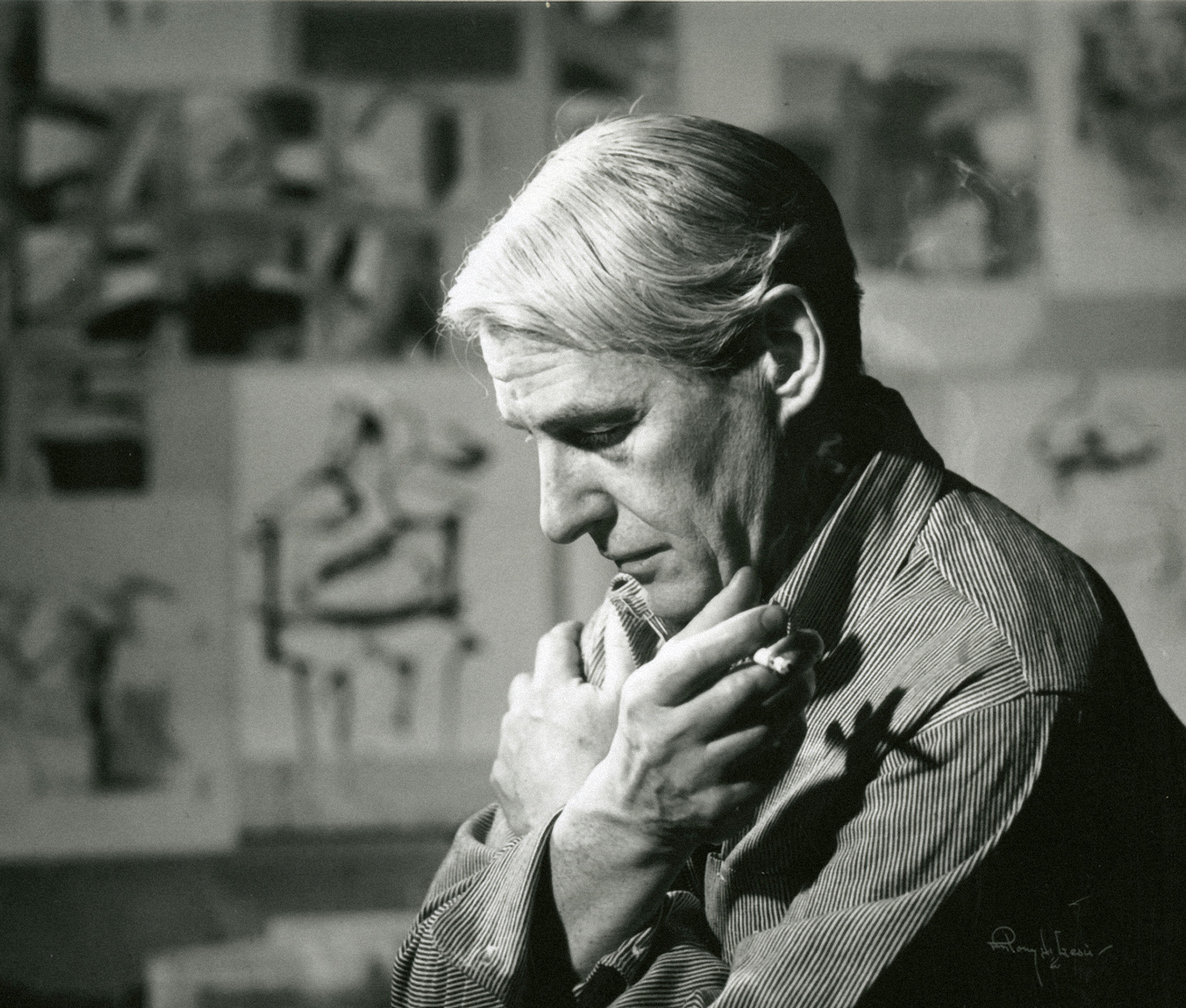
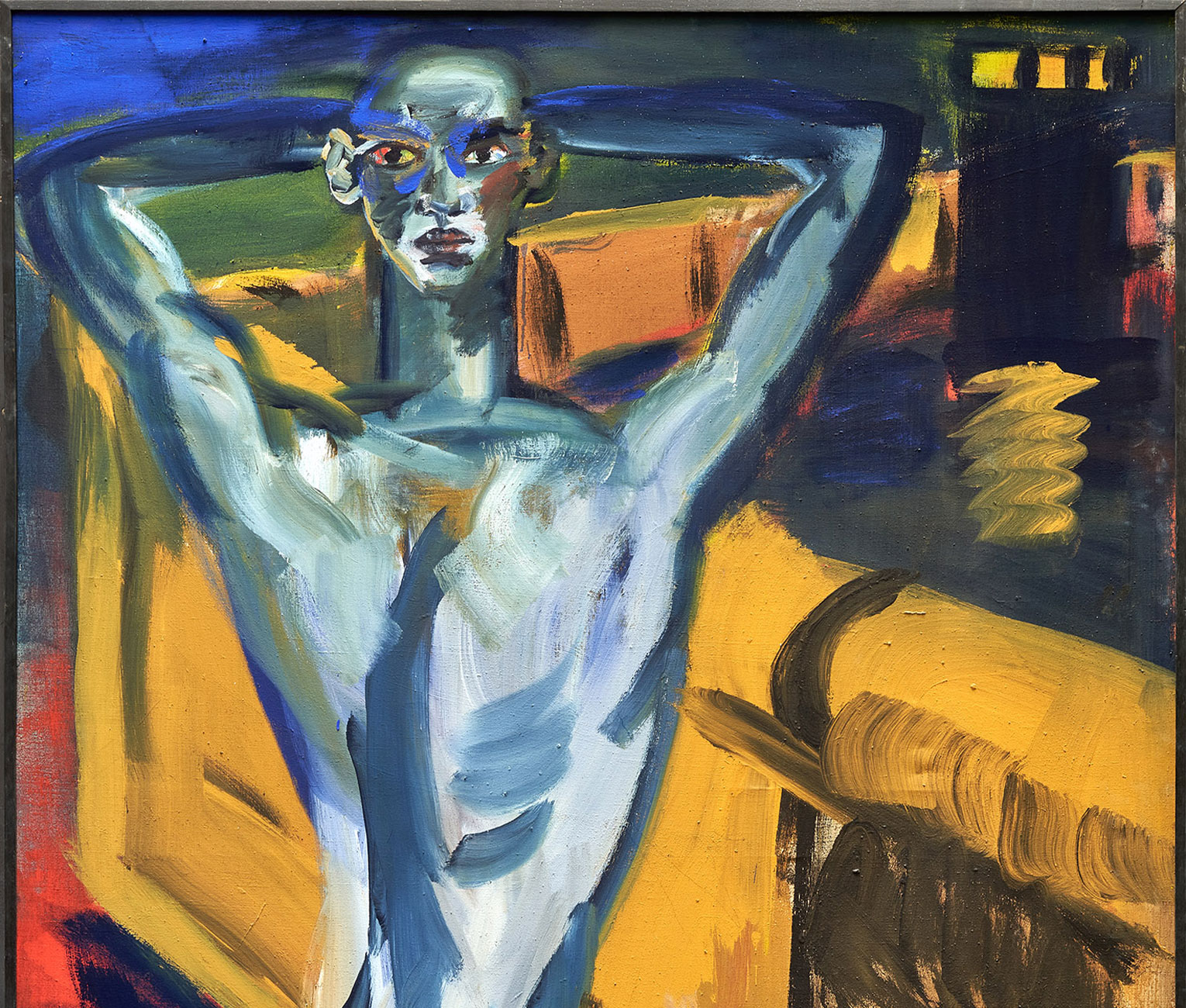
HEINZ BECK: Yes, painting was my first dream. Even as a child, I spent hours drawing and painting. But my father had very clear ideas about what constitutes a “respectable” profession. Painting, he said, was a hobby, not a job. Being denied the chance to attend art school was a bitter disappointment. But in hindsight, I think it was a kind of fortunate twist of fate. In the kitchen, I found a similar freedom. Every dish I create is like a painting – only ephemeral. I can bring emotions and stories to the plate. Colors, textures, and flavors are my brushstrokes. Perhaps my father unintentionally paved the way for me to a different kind of art.
You grew up in Bavaria. From there to Mallorca and Berlin, and finally to Italy – that’s quite a journey. What made you decide to move to Rome?
Honestly, it was a leap into the unknown. I was a head chef in Berlin and had never seriously considered moving abroad. Then I got an invitation from the Rome Cavalieri Hotel, which was looking for a new chef for La Pergola. At first, I was skeptical and almost declined the idea outright. But they insisted I visit Rome to see the city and the restaurant. And what can I say? Rome cast its spell on me. The architecture, the history, the people – it all fascinated me immediately. Initially, I planned to stay for two years. But the challenge of building something entirely new kept me here. Now, it’s been nearly 30 years.
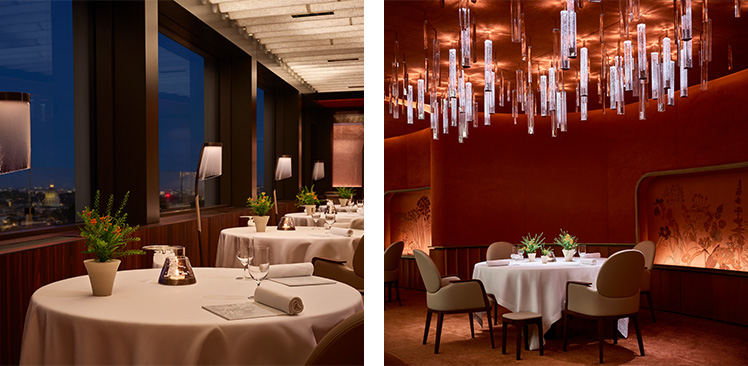
La Pergola is no ordinary restaurant – it’s an institution. Perched high above Rome’s rooftops, it offers not only breathtaking views but also an unparalleled sensory experience.
As the city’s only threeMichelinstarred restaurant, La Pergola stands as a beacon of modern culinary art. Under the guidance of Heinz Beck, it has become synonymous with a meticulously crafted dining journey, where every ingredient, texture, and combination tells a story.
BETWEEN TRADITION AND INNOVATION
Beck’s creations are deeply rooted in a love for Italian cuisine while steering clear of clichés. Classic recipes are reimagined, deconstructed, and reconstructed in surprising ways. Take his signature Fagottelli “La Pergola,” filled with a liquid carbonara essence – a familiar flavor memory elevated to an entirely new dimension through technical precision and creativity. But La Pergola isn’t just a playground for experimental gastronomy. At its core lies the pursuit of balance – between indulgence and lightness. “Good cuisine should never feel heavy – neither for the palate nor the body,” Beck explains. This philosophy shines in every dish, whether it’s the sumacinfused roasted eggplant or the sea bass in a citrus crust. These plates marry intensity with elegance, consistently leaving guests in awe.
And in those almost three decades, you’ve created something at La Pergola that’s famous far beyond the borders of Rome. When did you receive your first Michelin star?
The first star came in 1997 – an incredible moment. It was a validation of the hard work we’d done in those early years. The second followed in 2001, and since 2005, we’ve held three stars consistently. Being the first and only restaurant in Rome to achieve this highest accolade was overwhelming. But earning stars is one thing; maintaining them is another. It requires constantly setting new standards and never letting up.
That consistency is impressive. What does it mean to maintain three stars?
It means perfection in every detail. Every course, every service, every glass of wine – everything must work in harmony. It’s not just about the food but the entire experience. Guests arrive with high expectations, and it’s our job not just to meet them but to exceed them. I see the three stars as a promise to our guests. And I take that promise very seriously.
Your dishes are known for their exceptional lightness and precision. Where do you draw your inspiration?
Inspiration can come from anywhere. It might be a walk in nature, the colors of a sunset, or even a conversation. Once, it was a smile that inspired me to create a dessert. But the real work begins in the kitchen. That’s where I experiment, combine flavors and textures, and refine everything until it’s just right. It’s a process that requires patience and dedication.
You’re not just an artist but also a scientist. Your collaborations with universities and medical professionals are extraordinary. How did that come about?
It started with the idea that good food should also be good for the body. I wanted to understand how food affects us, so I began collaborating with scientists. Today, we work on projects that go far beyond gastronomy. For example, we’re researching how certain foods impact the aging process or how to reduce oxidative stress after eating. In my kitchen, we use technologies like high-performance centrifuges and ultrasonic baths to extract the best from every ingredient. All collaborations are managed by Beck and Maltese Consulting, a company my wife, Teresa Maltese, and I cofounded in 2005.



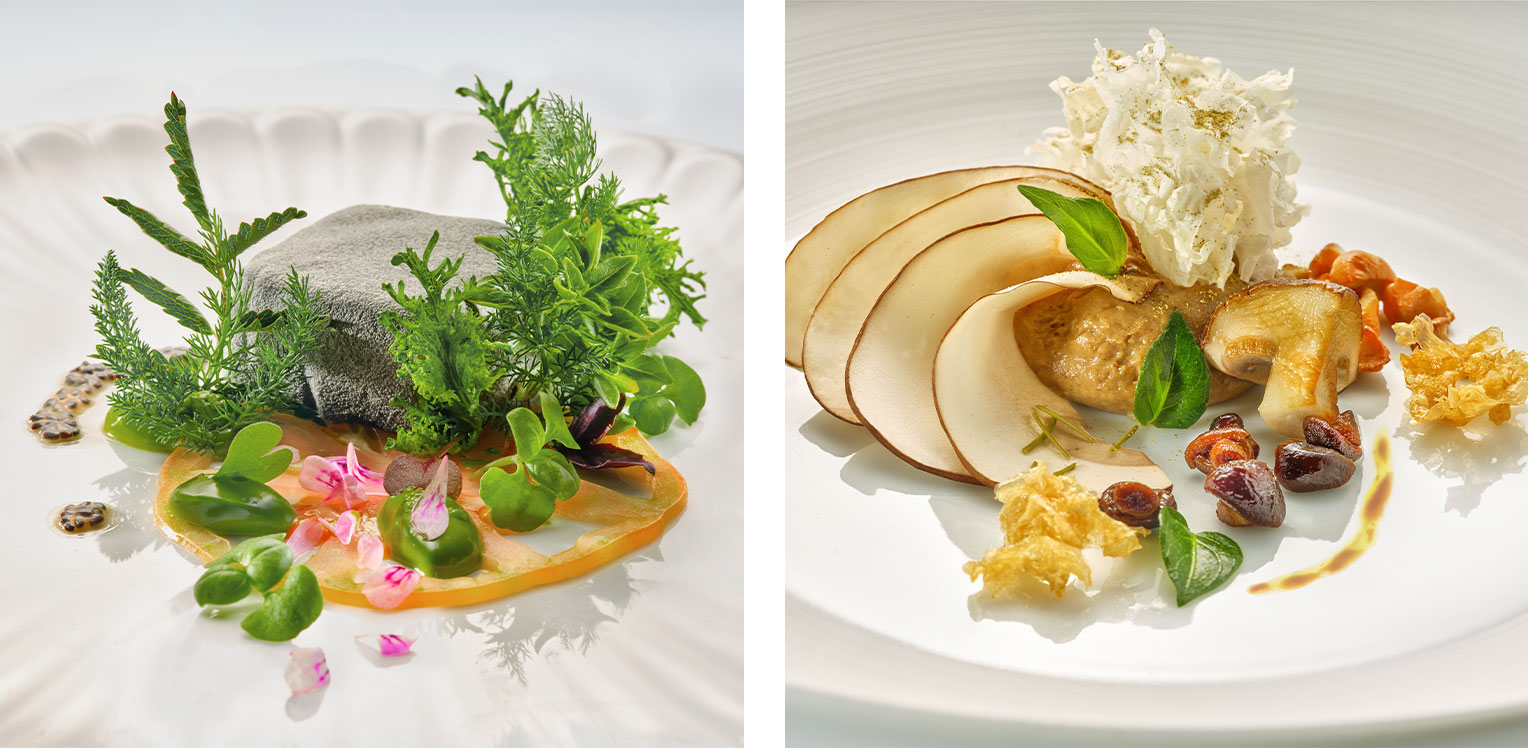
That’s fascinating. It sounds like you’re not only focused on delighting your guests’ palates but also their overall well-being.
Absolutely. My goal is to create a menu that not only tastes great but also nourishes the body. A dish should be easy to digest, so guests feel good and can fully enjoy the company at their table. Food is more than just calories. It’s energy that connects us.
Your cooking is often described as a harmonious blend of art and science. How important is that balance to you?
It’s essential. Art inspires, and science provides the tools to bring that inspiration to life. It’s about finding a balance between aesthetics and functionality. Every dish should appeal to both the eyes and the body.
Your philosophy is also reflected in how you lead your team. You’re known for your respectful approach. How did you cultivate this culture?
Respect is the foundation of any good collaboration. In my kitchen, there’s no shouting or swearing. Every team member knows they’re valued. I believe you can only expect peak performance if you create an environment where everyone feels comfortable. I never ask my team to do more than I’m willing to do myself. That builds trust and strengthens the bond within the team.
With all the excellence that defines your cuisine, I’m curious: What’s the greatest compliment a guest can give you?
The greatest compliment? Without a doubt, when a guest returns. Of course, I appreciate praise and enthusiasm on the night itself, but the real proof that we’ve done something right is when someone comes back for a second or third visit. That shows me the experience we created left a lasting impression. It’s an honest compliment because it comes from genuine conviction.
That certainly speaks volumes. Among all the sophistication of your dishes, the innovative techniques, and your pursuit of perfection – is there something simple and down-to-earth you enjoy cooking at home?
Oh, absolutely! Every year on December 25th, we have Christmas goose with red cabbage, just like my grandmother used to make. It’s a lovely way to connect with my roots and a moment when tradition and family take center stage. I always take the day off to cook for my family – no experiments, no elaborate techniques, just honest, hearty food. Sometimes we have dumplings with it, sometimes mashed potatoes – it depends on the mood.
If you had to choose one dish to convince someone of your philosophy, what would it be?
The next dish. I believe the best dish is yet to come. If I ever feel I have nothing left to say in the kitchen, that’s the day I’ll stop working.
Then let’s hope that there will always be a a next dish. Thank you for this wonderful interview and for sharing insights into your culinary world, Mr. Beck.
After speaking with Heinz Beck, one thing is clear: his passion and vision extend far beyond the kitchen. They are evident in every plate he serves and every detail he cultivates in his restaurant and team. To truly grasp his vision, one must experience La Pergola and the Rome Cavalieri firsthand – two places that embody the culinary and cultural essence of Rome.